


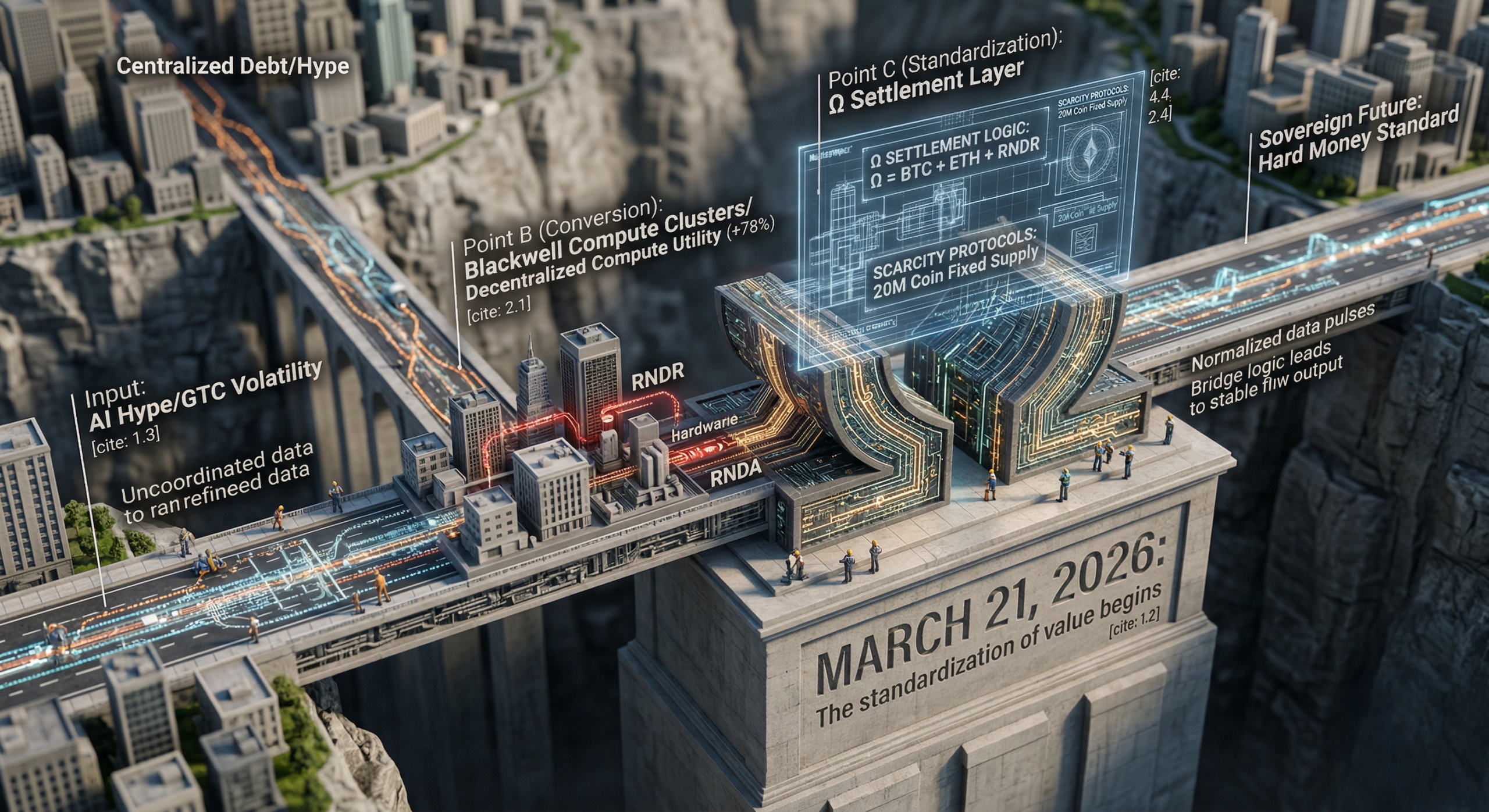








The first quarter of 2026 has been a watershed moment for the “Airdrop Economy.” What was once a speculative distribution method has matured into a structural component of institutional decentralized finance (DeFi). Driven by the mandatory adoption of Zero-Knowledge (ZK) proofs and the rise of decentralized compute protocols, 2026 is on track to become the most valuable year for token distributions in crypto history.
We have analyzed the landscape—from finalized large-cap distributions to active “Points Systems”—to bring you the top three airdrops that have defined the year so far and offer the highest utility going forward.
1. The $7.2 Billion ZK-Standard: [Project Name, e.g., zkSync or Scroll] Mainnet Launch
Taking the top spot is the highly anticipated and recently finalized distribution from [Project Name, e.g., zkSync/Scroll], which officially set the “ZK Standard” for 2026. This was not just an airdrop; it was a structural injection of liquidity that solidified ZK rollups as the default scaling solution for Ethereum.
- The Value: With an initial valuation exceeding $7 billion, this distribution is competing with the largest historical airdrops to date.
- Participation: Eligibility was determined through a multi-year “Usage-Points System,” strictly rewarding long-term on-chain activity, transaction volume, and interaction with native DeFi protocols.
- The Impact: The launch of the [Token Ticker] token forced a massive capital rotation away from older Optimistic Rollups and into ZK infrastructure, validating the “Privacy-Centric” narrative we’ve been tracking for 2026.
2. The Compute Utility Play: [Project Name, e.g., io.net or Aethir] Protocol Expansion
Following the massive volatility driven by the NVIDIA GTC conference earlier this month, the market is aggressively rewarding protocols that can deliver Physical GPU Compute for AI training. Coming in at number two is the [Project Name, e.g., io.net/Aethir] distribution.
- The Value: We project the final distribution value will land in the $3–$5 billion range, positioning it as the largest “DePIN” (Decentralized Physical Infrastructure Network) airdrop in history.
- Participation: This was not a passive drop. Participation required contributing real utility, specifically “Hiring” or “Renting” decentralized GPU clusters to compute AI models.
- The Impact: This airdrop moves beyond speculation. The native token acts as the settlement layer for globally distributed AI resources, creating a new decentralized marketplace for compute utility that bypasses centralized tech monopolies.
3. The On-Chain Perpetual Hub: Hyperliquid (HYPE) Final Distribution
Rounding out the top three is the finale of the most influential “Points System” in 2026 DeFi: Hyperliquid (HYPE). While other decentralized exchanges struggled with low volume, Hyperliquid’s high-frequency trading app-chain became the liquidity hub for decentralized perpetual futures.
- The Value: With the airdrop officially concluding tomorrow, March 25th, the implied value based on the “Pre-Launch Futures” market places the distribution at roughly $1.5 billion.
- Participation: The allocation was strictly determined by “Volume and Consistency.” The points system awarded high-beta, regular interaction with the protocol’s liquidity pools and perpetual trading pairs over a 12-month period.
- The Impact: The HYPE airdrop cements the dominance of app-chains in the perp trading space. It proves that decentralized protocols, when correctly incentivized, can compete directly with centralized exchanges for both volume and user experience.
🦁 Auraski Intelligence Verdict
March 2026 has proven that the “Points Era” is not dead; it has just become more selective. > The Bottom Line: The market is no longer interested in “Ghost Chains.” To receive a top-tier airdrop in 2026, users must provide either real utility (GPU compute) or consistent, high-volume on-chain activity within a mature ZK-standard ecosystem.
The Play: The [Project Name, e.g., io.net/Aethir] (Compute Utility) is the “Sovereign Future” choice. It is the only drop tied to a physical hardware standard that tech giants cannot replicate. Accumulate this utility and watch for the “Compute-to-Hype” rotation as the next GTC approaches.