

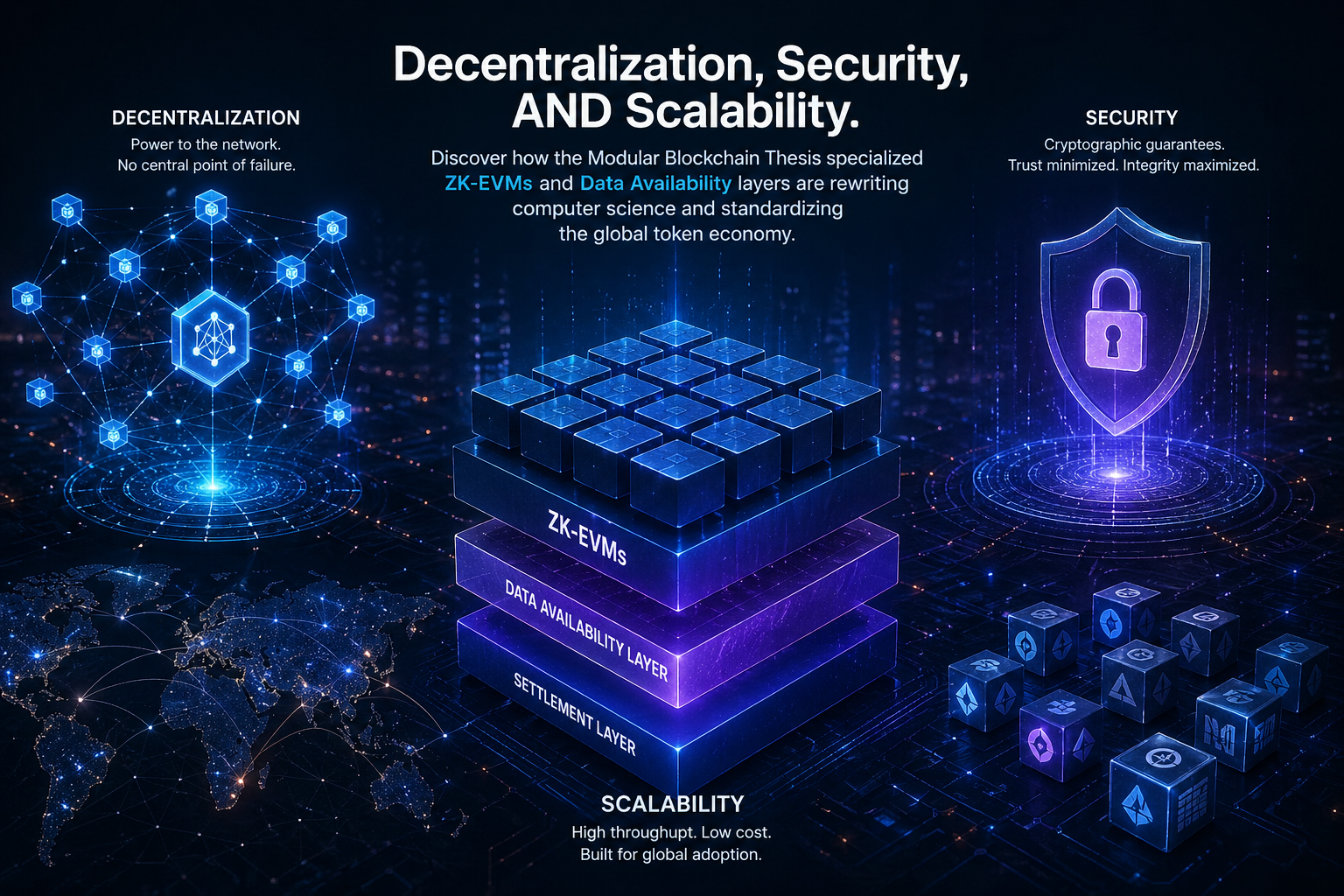

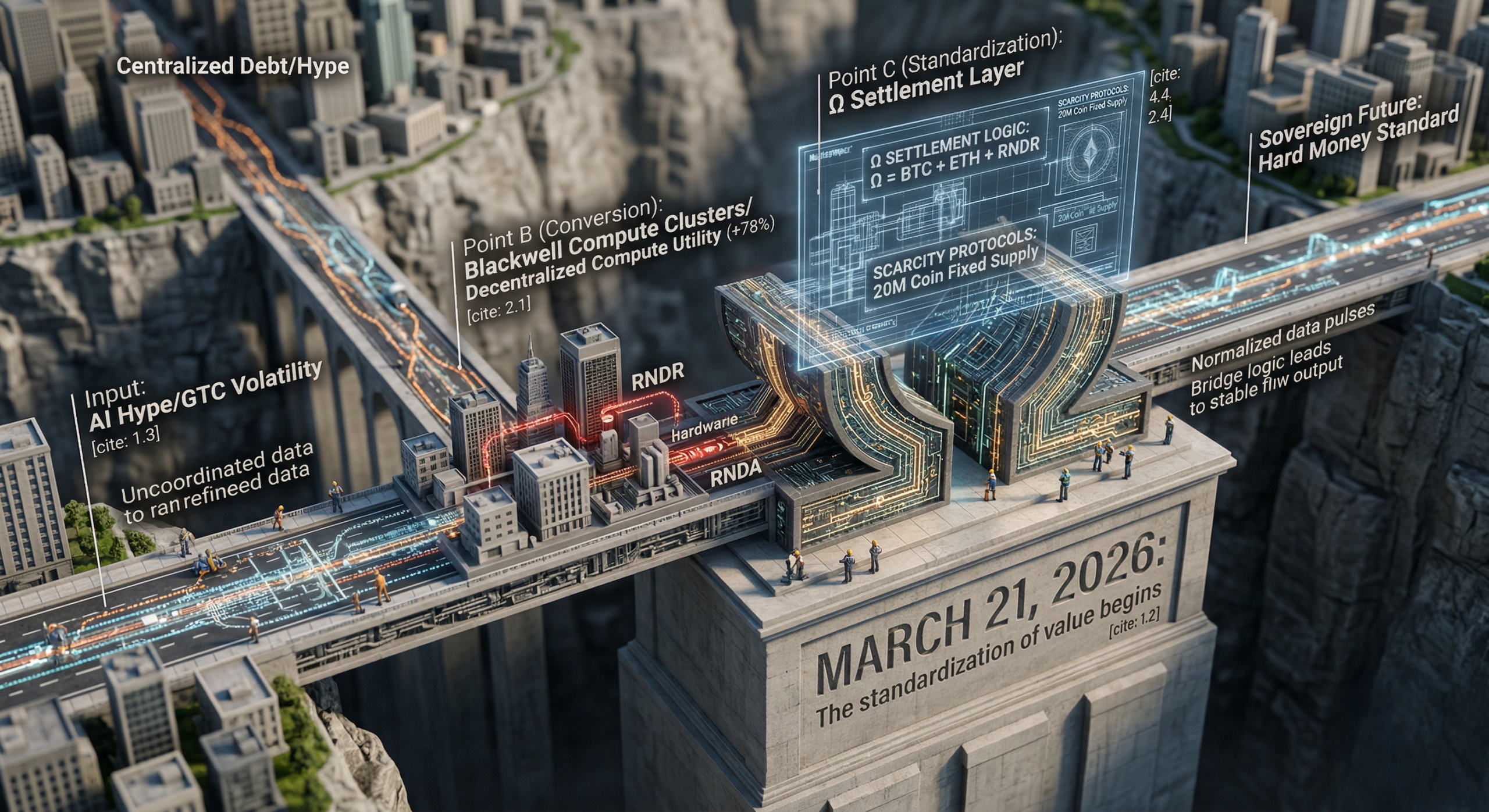








While retail investors have been distracted by the “extreme fear” in the markets, the largest financial institutions on Earth have been quietly executing the biggest architectural shift in history. We are moving from a world of slow, siloed databases to a single, global, 24/7 settlement layer: Ethereum.
The “RWA” (Real-World Assets) narrative isn’t just a trend; it’s a $10 trillion migration. Here is the 2026 breakdown of why Ethereum is the primary engine behind this transition and what it means for your portfolio.
1. The 2026 Reality: RWA is No Longer a “Pilot”
A year ago, tokenization was a series of experiments. Today, it is production-grade finance.
- The $17 Billion Surge: As of February 2026, the tokenized RWA market on Ethereum has exploded by 315% year-over-year, surpassing $17 billion in total value.
- The Institutional Moat: Ethereum now hosts nearly 66% of all tokenized assets, dwarfing competitors like BNB Chain and Solana in the institutional sector.
- The Heavyweights: BlackRock’s BUIDL fund has crossed the $2.1 billion mark, while giants like JPMorgan, Fidelity, and Apollo have moved their money market funds directly onto Ethereum’s mainnet.
2. Why Ethereum? The “Lindy Effect” and Upgrades
Wall Street isn’t choosing Ethereum for the “hype”—they are choosing it for its uptime and security.
- Settlement Dominance: With over $175 billion in stablecoins already settled on the network, Ethereum is the “liquidity hub” of the internet’s dollar.
- The 2026 Scaling Revolution: The Glamsterdam and Hegota upgrades have successfully slashed Layer-2 fees by 95%, making it feasible to tokenize even small, fractional assets like individual real estate units or carbon credits without gas fees eating the profit.
3. The Asset Class Breakdown: What is Moving On-Chain?
| Asset Class | 2026 Status | Top Players |
| U.S. Treasuries | $8.7B+ on-chain. The “Risk-Free Rate” of the internet. | BlackRock (BUIDL), Ondo, Franklin Templeton. |
| Commodities | $5B+ on Ethereum. Tokenized gold is now a standard collateral type. | Tether Gold (XAUT), PAX Gold (PAXG). |
| Real Estate | $1.4B Projected by year-end. Fractional ownership of skyscrapers. | RealT, Zoniqx, Lofty. |
| Private Credit | Fastest growing sector. Bringing yield from small businesses on-chain. | Apollo (ACRED), Maple (Syrup). |
4. The Regulatory “Green Light”: 2026 Legislation
The primary barrier to RWAs has always been the law. In 2025, the GENIUS Act provided the framework for stablecoins. Now, the expected passage of the Digital Asset Market Clarity Act is providing the “rules of the road” for tokenized stocks and bonds. This clarity is why the SEC recently removed “crypto” from its high-risk category—treating it as a standard financial tool.+1
🦁 Auraski Intelligence Verdict
The “$10 Trillion Opportunity” isn’t about buying a specific RWA token; it’s about recognizing that Ethereum is becoming the “global toll road” for all value.
Every time a tokenized gold bar is traded, or a BlackRock BUIDL share is used as collateral in DeFi, ETH is burned for gas. As we move from $17 billion to the projected $10 trillion by 2030, the organic demand for block space will become the most durable fundamental driver in crypto history.
The Strategy: Stop looking for “the next Bitcoin.” Start looking at the network that is currently eating the global banking system.